0731-6777-777, +91 96447-10007/6
 info@mistindore.com


Future of Engineering Education: Emerging Technologies and Career Opportunities

Future of Engineering Education: Emerging Technologies and Career Opportunities
Engineering education is evolving rapidly as new technologies transform industries, workplaces and everyday life. From artificial intelligence and robotics to automation and the Internet of Things (IoT), modern engineering offers students exciting opportunities to innovate, solve problems and build successful careers.
For students planning to pursue engineering, understanding these developments can help them make informed academic and career decisions.
1. How Technology Is Transforming Engineering Education
Traditional engineering concepts remain important, but modern education increasingly connects theoretical knowledge with practical applications. Students benefit from understanding how engineering principles are used to design products, develop software, improve manufacturing and solve real-world challenges.
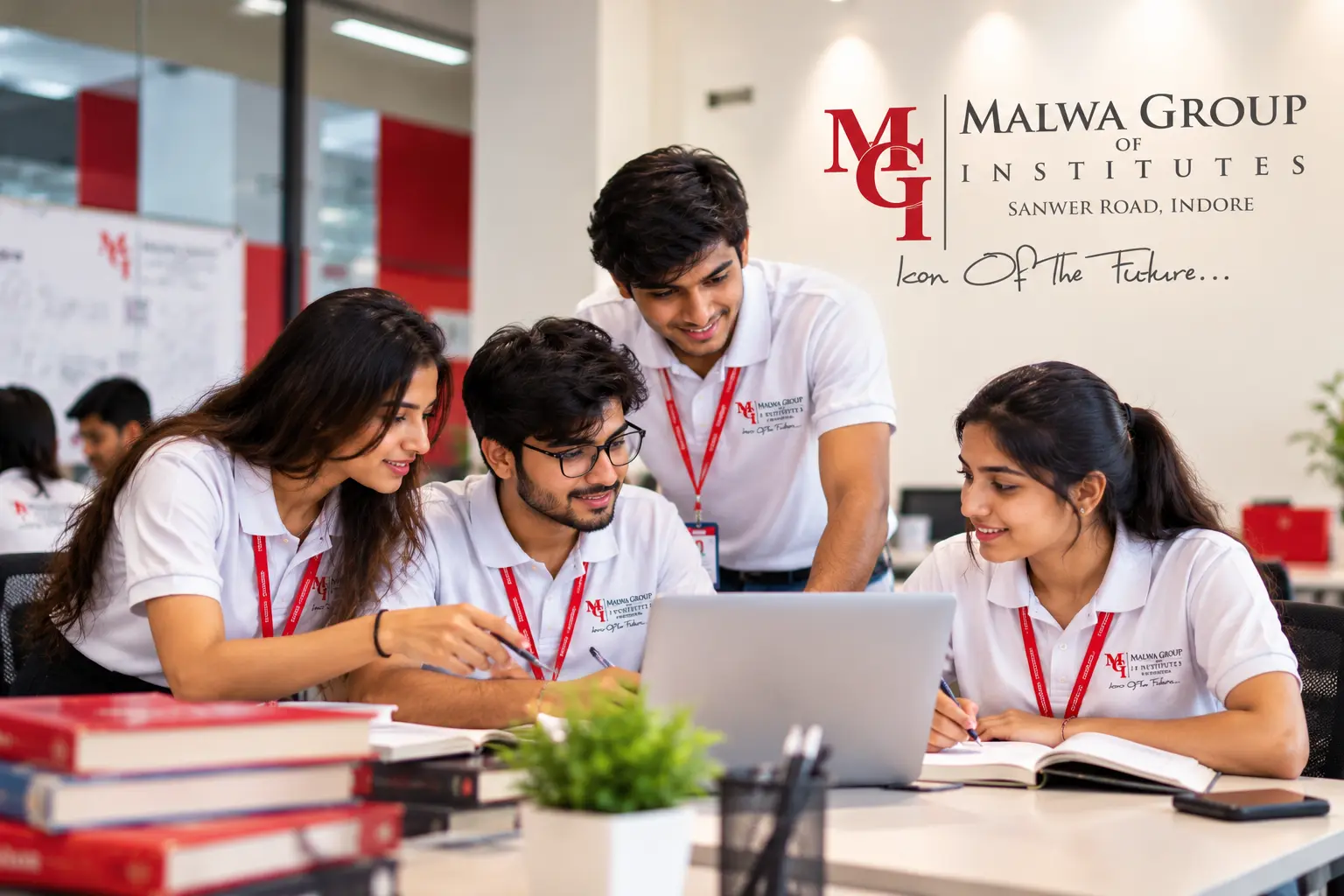
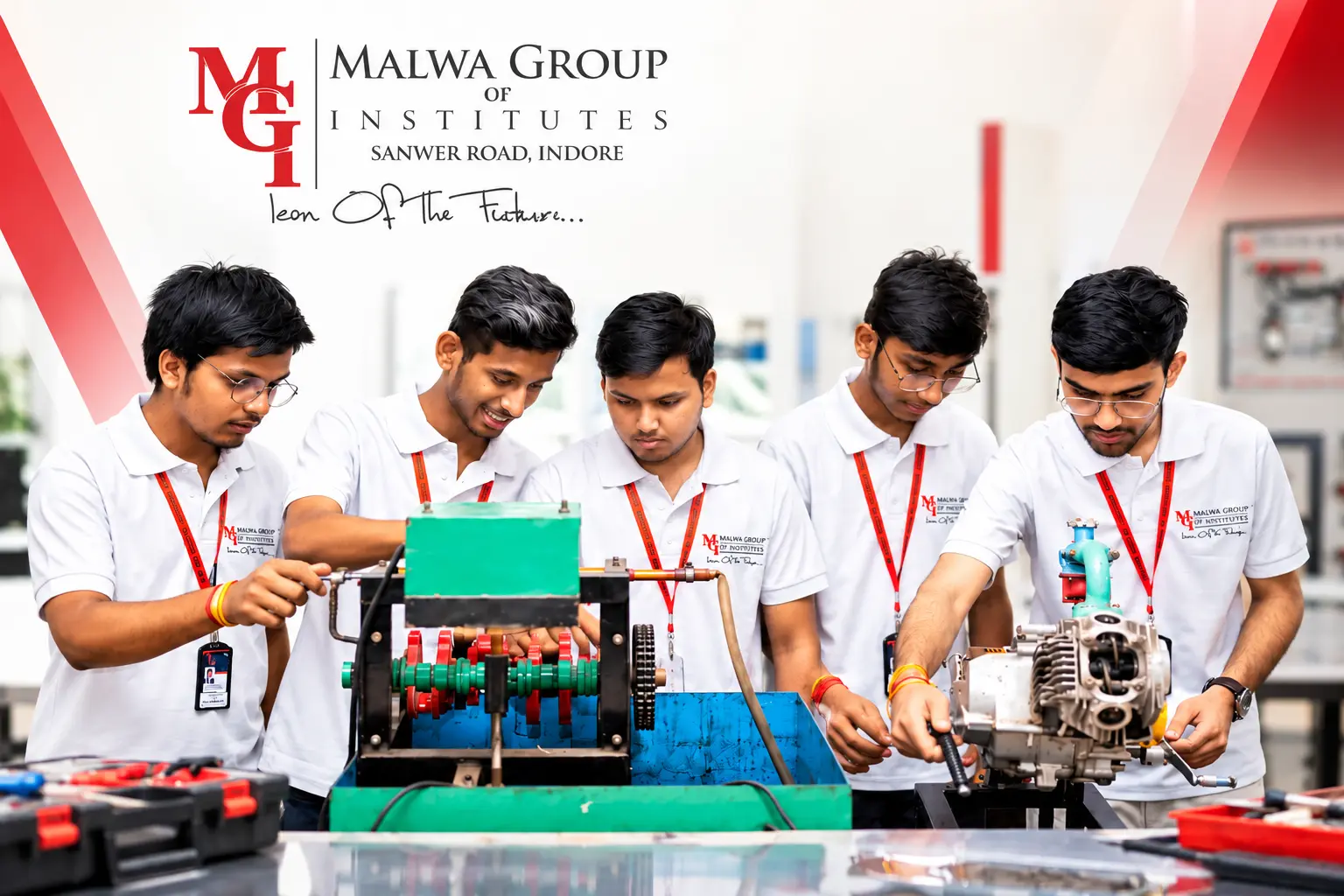
Project-based learning, laboratory practice, technical workshops and collaborative assignments can help students strengthen their technical knowledge and problem-solving abilities.
2. Emerging Technologies Shaping the Future
Artificial Intelligence and Machine Learning
Artificial intelligence and machine learning are transforming industries such as healthcare, finance, manufacturing and information technology. Engineers with a foundation in programming, mathematics and data analysis can explore opportunities in AI development, intelligent automation and data-driven solutions.
Robotics and Automation
Robotics and automation are improving productivity, precision and safety across manufacturing and industrial environments. These technologies create opportunities in robotics engineering, industrial automation, control systems and equipment design.
Internet of Things (IoT)
IoT connects physical devices through networks, enabling them to collect and exchange data. Applications include smart homes, industrial monitoring, connected vehicles and intelligent infrastructure. Understanding electronics, embedded systems and networking can help students explore this growing field.
Sustainable and Smart Engineering
Sustainable engineering focuses on developing efficient systems, reducing waste and using resources responsibly. Renewable energy, energy-efficient buildings and environmentally conscious manufacturing are important areas for future engineers.
3. Essential Skills for Future Engineers
Technical knowledge is only one part of engineering success. Students should also develop:
- Programming and digital literacy: Understand relevant tools, software and technical platforms.
- Analytical thinking: Evaluate problems and develop practical solutions.
- Communication: Explain technical ideas clearly and work effectively with others.
- Teamwork: Collaborate on projects and learn from different perspectives.
- Adaptability: Keep learning as technologies and industry requirements change.
Combining these skills can help students prepare for changing professional environments.
4. Career Opportunities After Engineering
Depending on their branch, interests and additional qualifications, engineering graduates can explore roles such as software developer, mechanical design engineer, robotics engineer, automation engineer, electronics engineer, data analyst and systems engineer.
Students may also consider research, entrepreneurship, higher education or specialised certifications. Career options depend on individual skills, experience, academic background and industry requirements.
5. How Students Can Prepare for the Future
Students can begin preparing for engineering careers by building a strong foundation in mathematics and science, participating in practical projects, exploring relevant software tools and seeking internships where available.
Developing a portfolio of academic projects, attending technical events and learning from mentors can also help students understand industry expectations.
Choosing an engineering college involves evaluating its academic programmes, laboratory facilities, faculty support, practical learning opportunities and career guidance services.
6. Choosing the Right Engineering College in Indore
Students exploring engineering colleges in Indore should compare available B.Tech programmes, specialisations, infrastructure, academic support and opportunities for practical learning.
Malwa Group of Institutions, Indore, offers an opportunity for prospective students to explore its academic programmes and campus facilities when considering their higher education options.
Before applying, students and parents should review current course details, eligibility requirements, fees and admission procedures through the institution’s official website.
Frequently Asked Questions
Which technologies are shaping the future of engineering?
Artificial intelligence, machine learning, robotics, automation, IoT and sustainable engineering are important areas influencing modern engineering.
What skills should engineering students develop?
Students should focus on technical fundamentals, problem-solving, communication, teamwork and continuous learning.
What career options are available after engineering?
Depending on their branch and skills, graduates may explore software development, design engineering, automation, electronics, research and other technical roles.
How should students choose an engineering college in Indore?
Compare course options, eligibility, laboratories, teaching support, practical learning opportunities, fees and verified placement information before making a decision.
Conclusion
The future of engineering education lies in combining strong fundamentals with practical experience, emerging technologies and lifelong learning. Students who develop relevant skills and remain open to new opportunities can better prepare themselves for a changing professional world.
Explore engineering programmes at Malwa Group of Institutions, Indore, to learn more about available academic opportunities and plan your next step towards a technology-driven future.