0731-6777-777, +91 96447-10007/6
 info@mistindore.com

Career Readiness: Essential Skills Students Need to Succeed in the Modern Workplace

Career Readiness: Essential Skills Students Need to Succeed in the Modern Workplace
A successful career requires more than academic qualifications. Today’s workplace values individuals who can communicate effectively, solve problems, collaborate with others and adapt to changing professional expectations.
For college students, developing these abilities early can make the transition from education to employment more confident and productive. By combining subject knowledge with practical experience and professional skills, students can prepare themselves for a wide range of career opportunities.
1. Why Career Readiness Matters
Career readiness refers to the knowledge, skills and attitudes that help individuals prepare for professional responsibilities. It includes understanding workplace expectations, presenting ideas clearly, working in teams and managing tasks efficiently.
Students who focus on career development during college can gain a clearer understanding of their interests, strengths and long-term goals.
2. Essential Skills Every Student Should Develop
Communication Skills
Clear communication is valuable in interviews, presentations, meetings and everyday workplace interactions. Students can improve by participating in discussions, preparing presentations, practising professional writing and learning to listen actively.
Problem-Solving and Critical Thinking
Employers across different industries value individuals who can understand challenges, evaluate possible solutions and make informed decisions. Case studies, academic projects and practical assignments can help students develop these abilities.
Teamwork and Collaboration
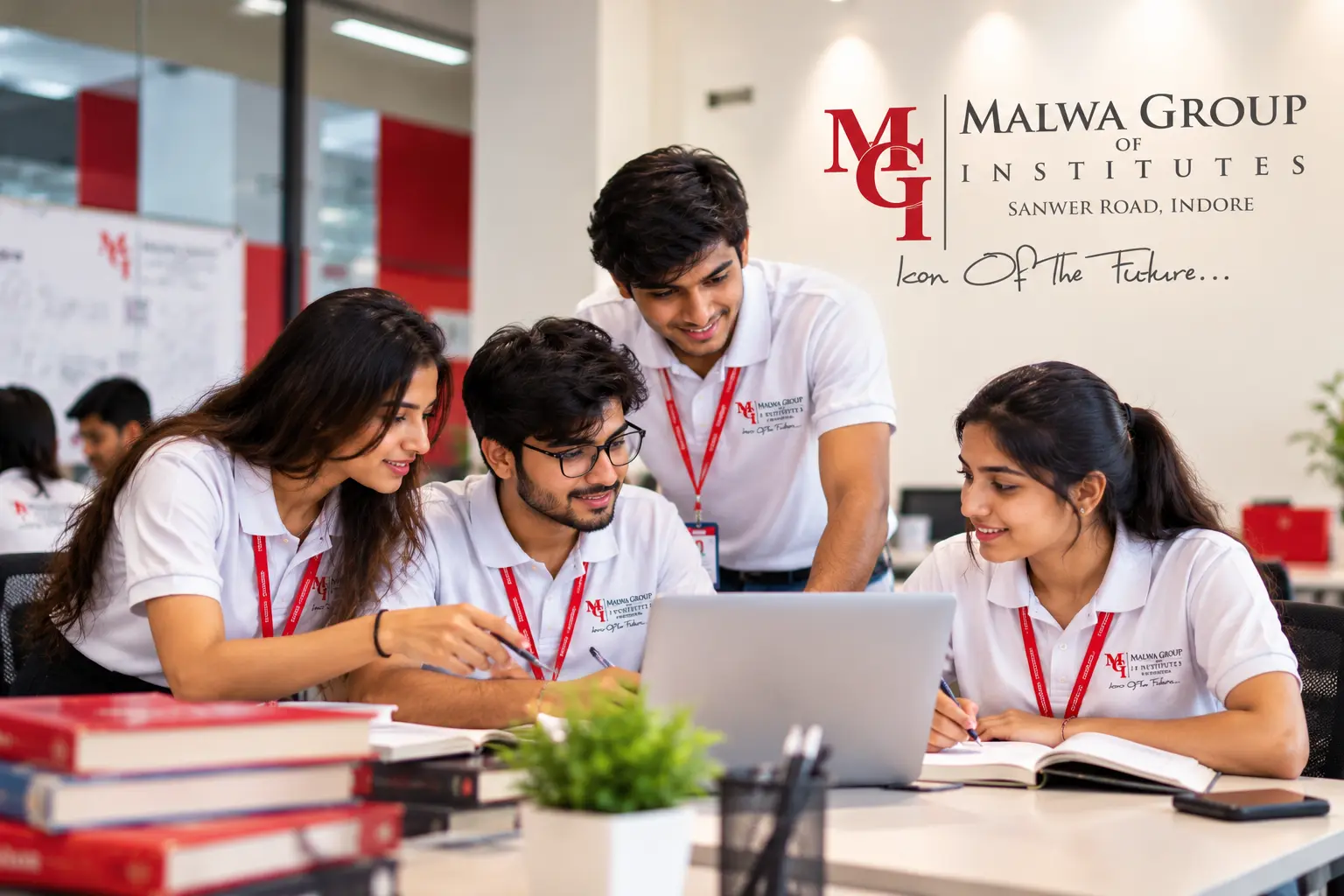
Professional projects often involve people with different skills and responsibilities. Participating in group assignments, student activities and collaborative projects helps students learn how to share ideas, manage disagreements and work towards common goals.
Digital and Technical Skills
Digital literacy is increasingly important across business, technology, finance, marketing and other sectors. Students should develop skills relevant to their chosen field, such as data analysis, programming, office productivity tools, digital marketing or specialised software.
Time Management and Adaptability
Managing deadlines, prioritising tasks and responding positively to change are important professional habits. Students can practise these skills by balancing academic responsibilities, extracurricular activities and personal projects.
3. The Importance of Internships and Practical Experience
Practical experience helps students understand how classroom concepts apply to real-world situations. Internships, industry projects, workshops and supervised practical assignments can provide opportunities to explore professional environments.
Students should aim to document their contributions, identify what they learned and understand how their experiences relate to future career goals.
When evaluating internship opportunities, students should consider the learning objectives, supervision, relevance to their field and the quality of the experience rather than focusing only on the title.
4. Building a Strong Resume and Portfolio
A resume should communicate a student’s education, relevant skills, projects, achievements and experience clearly. Freshers who have limited employment history can highlight academic projects, internships, certifications, volunteering and extracurricular contributions.
Students in technical fields may benefit from maintaining a portfolio of projects. Those interested in business, management or creative fields can showcase presentations, case studies, campaigns and other relevant work.
The information included should be accurate, relevant and easy for recruiters to understand.
5. Preparing for Job Interviews
Interview preparation helps students communicate their strengths and demonstrate their suitability for a role.
Students can prepare by researching the organisation, reviewing the job description, practising common questions and preparing examples of situations in which they solved problems or worked effectively with others.
Mock interviews and feedback from mentors can help improve confidence, clarity and professional presentation.
6. Career Guidance and Continuous Learning
Career planning is an ongoing process. Students should explore different roles, understand industry expectations and identify the skills needed to progress in their preferred fields.
Speaking with faculty members, career advisers, alumni and industry professionals can provide useful perspectives. Short courses, certifications, workshops and independent projects can also support continuous development.
Students should regularly review their goals and update their skills as professional requirements evolve.
7. Choosing a College That Supports Career Development
When selecting a college, students and parents should consider more than the academic syllabus. Important factors include teaching quality, practical learning opportunities, industry exposure, career guidance, internships and verified placement information.
Prospective students exploring colleges in Indore can review the programmes and facilities offered by Malwa Group of Institutions to determine how they align with their academic interests and career goals.
Before admission, students should check current course details, eligibility requirements, fees, available support services and published placement information directly with the institution.
Frequently Asked Questions
What are the most important career readiness skills for students?
Communication, teamwork, problem-solving, digital literacy, time management and adaptability are valuable skills across many professional fields.
How can college students improve their employability?
Students can build relevant skills, complete practical projects, pursue suitable internships, improve their resumes and prepare for interviews.
Are internships important for freshers?
Internships can help students gain practical exposure, understand workplace expectations and explore career interests. The value depends on the relevance and quality of the experience.
How can students prepare for their first job interview?
Research the employer, understand the role, practise common questions, prepare examples of your skills and seek feedback through mock interviews.
How should students choose a college for career development?
Compare academic programmes, teaching support, practical learning, industry exposure, career guidance and verified placement outcomes before deciding.
Conclusion
Career readiness develops through consistent effort, practical experience and a willingness to learn. Students who strengthen their technical knowledge, communication, teamwork and problem-solving abilities can better prepare themselves for professional opportunities.
At Malwa Group of Institutions, Indore, prospective students can explore available academic programmes and campus resources as they plan their education and future careers. Choosing the right course and actively developing relevant skills can be important steps towards long-term professional growth.